 Hepburn IT
The Growing Accessibility of 3D Printing
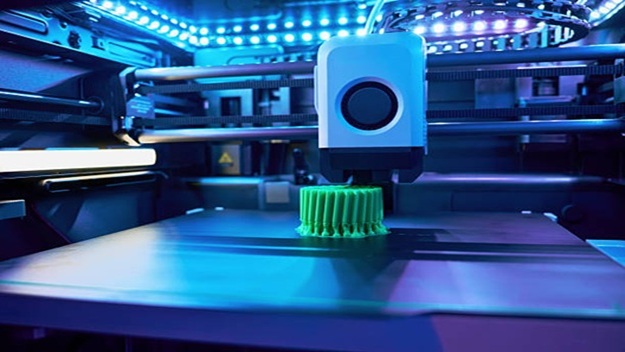
The cost of entry into 3D printing has reduced significantly over recent years. Entry-level printers are now available at relatively low prices, while more advanced machines offer higher precision and material flexibility for professional use. This range allows businesses to choose equipment that suits their needs, whether for simple prototyping or more demanding production tasks. In many cases, outsourcing to a service such as Hepburn IT can be a cost-effective way to access high-quality results without the need for upfront investment.
3D Printer Manufacturers and Costs
There is now a wide selection of 3D printer manufacturers offering machines at different price points and levels of capability. Popular brands include Creality, known for affordable and reliable entry-level printers, Prusa Research, which produces high-quality open-source machines, and Ultimaker, which focuses on professional-grade printers with advanced features. Other manufacturers such as Anycubic and Bambu Lab have also gained popularity for delivering strong performance at competitive prices.
In terms of cost, entry-level 3D printers can start from around £200–£300, making them accessible for hobbyists and small businesses experimenting with the technology. Mid-range printers, typically costing between £500 and £1,500, offer improved build quality, reliability, and precision. Professional-grade machines can range from £2,000 upwards, depending on their capabilities, materials supported, and production reliability.
Beyond the initial purchase, businesses should also consider ongoing costs such as filament or resin materials, maintenance, and time investment. While owning a printer can be beneficial for regular use, outsourcing remains a practical option for many businesses that require occasional high-quality prints without the responsibility of maintaining equipment.
Designing Your Own 3D Models
One of the most exciting aspects of 3D printing is the ability to design custom components. A number of software tools are available to help create 3D models, many of which are free to use. Popular options include Blender, an open-source 3D modelling tool, Tinkercad, which is particularly suitable for beginners, and Fusion 360, which offers a free version for personal and small business use. These tools allow users to design everything from simple objects to complex mechanical parts.
Access to Existing 3D Models
For those who do not wish to create models from scratch, there are extensive online repositories where ready-made designs can be downloaded. Websites such as Thingiverse, Printables, and MyMiniFactory host thousands of free and paid models covering a wide range of applications. These resources make it easy to find and print useful objects quickly, from replacement parts to promotional items.
Conclusion
With lower costs, accessible design software, and a wealth of downloadable models, 3D printing has become an increasingly practical tool for businesses. Whether used for prototyping, small-scale production, or custom solutions, it offers flexibility and efficiency that traditional manufacturing methods often cannot match.